Domestic Tourism Safaris, P.O. Box 17, Rindi Road Moshi, Tanzania
Best Time For Tanzania Safari
When to Go on Safari in Tanzania
Tanzania offers exceptional safari experiences year-round, but the timing of your visit can greatly influence what wildlife you see, the regions you explore, and the overall quality of your adventure. Its diverse landscapes—from vast savannahs and volcanic craters to riverine forests and seasonal wetlands—host a wide range of animals whose movements and behaviour shift with the seasons. Whether you’re hoping to witness the iconic Great Migration, spot predators on the hunt, or enjoy peaceful scenes of newborn wildlife and migrating birds, each period of the year presents a distinct natural spectacle. The country’s varied climate patterns not only affect wildlife visibility but also impact road conditions, accommodation availability, and even park accessibility—making it essential to plan your safari around your specific interests and expectations.
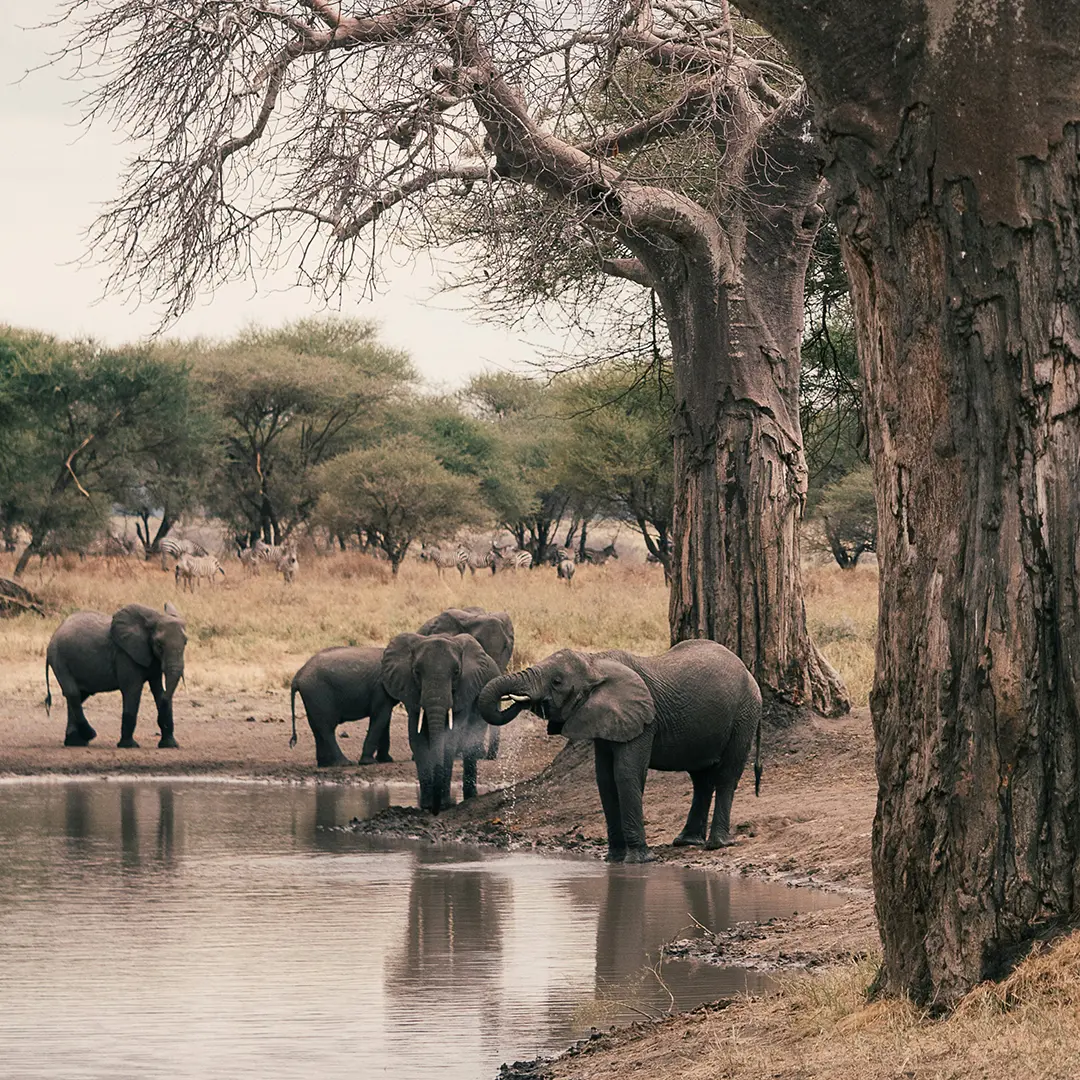
The dry season, from late June to October, is considered the best time for traditional game viewing. Animals gather around waterholes and rivers, making them easier to spot in parks like Serengeti, Tarangire, and Ngorongoro Crater. The lack of vegetation also improves visibility for photographers and safari-goers. This is also peak season for tourists, so early bookings are essential to secure your preferred lodges and guides.
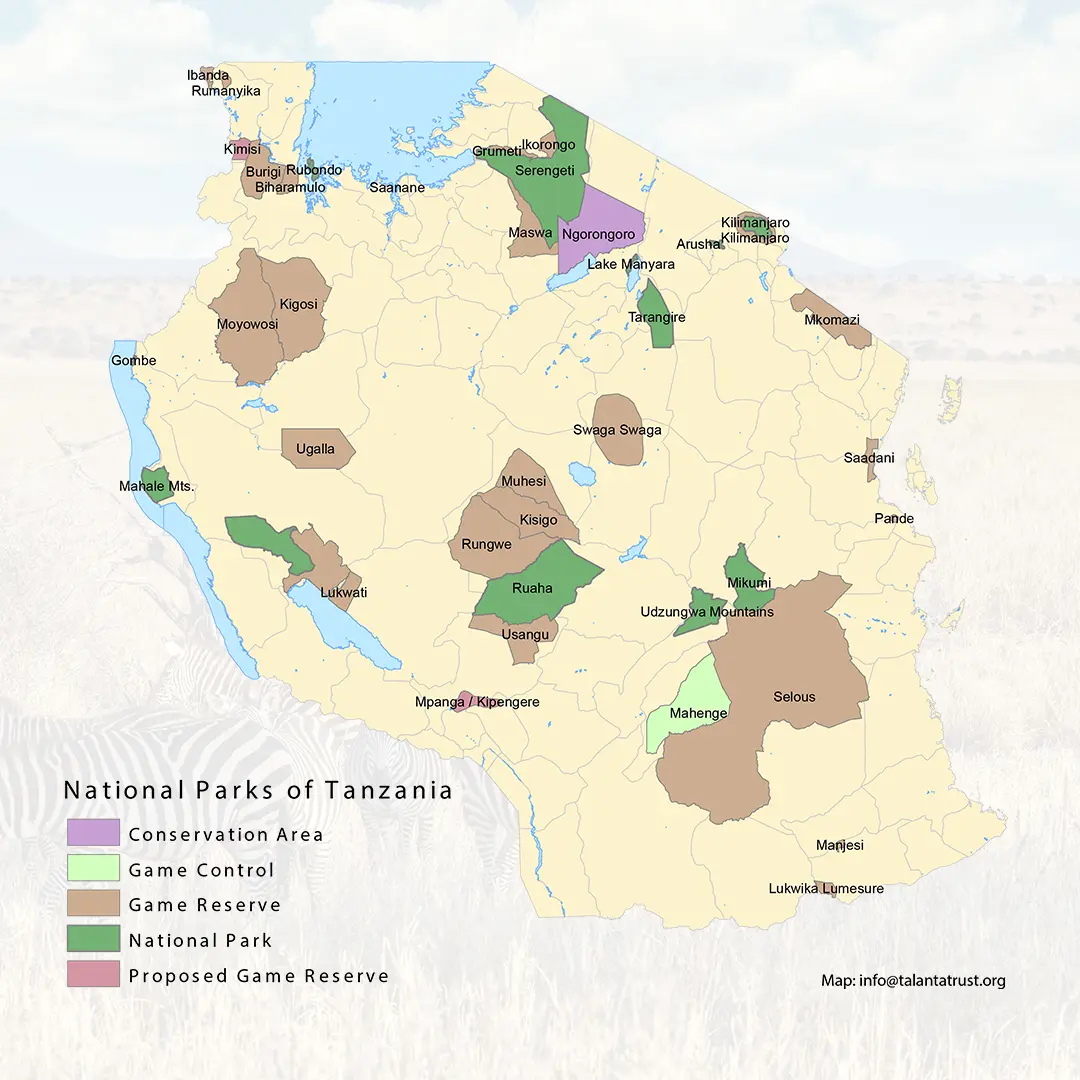
In contrast, the green or wet season (November to May) brings lush scenery and fewer crowds. While some remote roads may become difficult to access, this period is perfect for birdwatchers and budget-conscious travelers. From January to March, the Southern Serengeti hosts the famous wildebeest calving season, attracting predators and offering thrilling wildlife interactions. (See map below for seasonal wildlife movements and ideal safari regions during each month).