Domestic Tourism Safaris, P.O. Box 17, Rindi Road Moshi, Tanzania
Safari Safety & Travel Tips
Safari Safety & Travel Tips
Going on a safari in Africa is an extraordinary and life-changing experience, giving you the rare chance to witness wild animals in their natural habitats and explore breathtaking landscapes that seem untouched by time. Whether you’re tracking the Big Five or watching a lioness with her cubs, every moment is filled with wonder. But to truly make the most of your adventure, it’s important to prioritise safety and come prepared. Understanding how to stay healthy, behave responsibly around wildlife, and travel smart will help ensure that your safari is not only exciting but also safe, comfortable, and memorable for all the right reasons.
Respect Wildlife and Keep Your Distance
Wild animals are unpredictable, and it’s crucial to admire them from a safe distance. Never attempt to feed, touch, or provoke animals. Stay inside your vehicle during game drives unless your guide says otherwise, and always follow their instructions to avoid risky situations
Health Precautions and Vaccinations
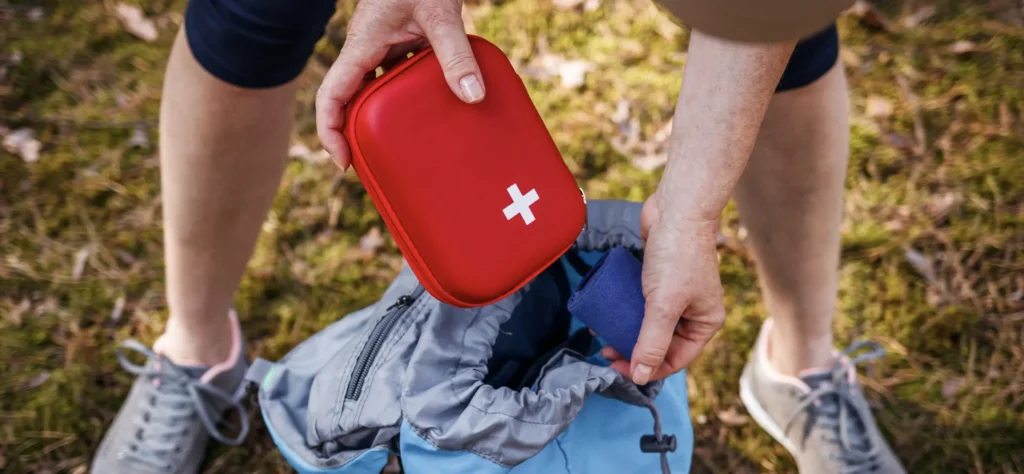
Before your trip, consult your doctor about recommended vaccinations such as yellow fever, hepatitis A, and typhoid. Take anti-malaria medication if advised, and pack insect repellent to protect against mosquito bites. Carry a small first aid kit for minor health issues while on the road.
What to Pack and Wear
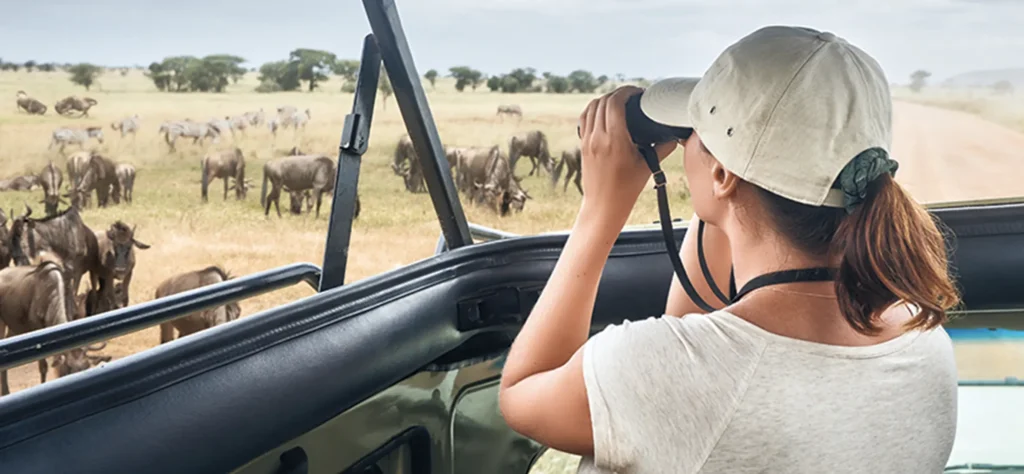
Pack light, neutral-coloured clothing that blends with the environment and keeps you cool. Long sleeves and pants help protect against sunburn and insect bites. Don’t forget sunscreen, a hat, sunglasses, binoculars, and a camera. Always carry your documents and some cash in a secure pouch.
Travel Smart and Stay Aware
Book safaris with reputable operators who prioritise safety and conservation. Keep emergency contacts and travel insurance details handy. Be cautious in urban areas, avoid flashing valuables, and stay informed about local customs and laws. A little awareness goes a long way in keeping your safari safe and enjoyable.