Domestic Tourism Safaris, P.O. Box 17, Rindi Road Moshi, Tanzania
Kilimanjaro Trekking Safety Tips
Trekking Safety Tips
At Domestic Tourism Safaris, your safety is our top priority as we guide you toward the summit of Africa’s highest mountain, Mount Kilimanjaro. While the trek is accessible to most physically fit adventurers, it involves high altitudes and varying weather conditions that require proper preparation and caution. With our experienced guides and carefully planned itineraries, we help ensure your journey is not only successful but also safe and enjoyable. Understanding a few key safety principles before your climb will greatly enhance your experience on the mountain.
Choose the Right Route and Duration
At Domestic Tourism Safaris, we recommend longer routes like Lemosho, Machame, or Northern Circuit, which offer higher success and safety rates due to better acclimatisation. These routes typically take 7–9 days and give your body time to adjust gradually to the altitude, reducing the risk of altitude sickness.
Acclimatise Properly and Monitor Your Health
Altitude sickness can affect anyone, regardless of fitness. Our guides are trained to spot early signs and carry necessary safety gear. Stay well-hydrated, move at a steady pace, and communicate openly about any symptoms. We follow the “climb high, sleep low” strategy to help you adapt safely to increasing elevation.
Trust in Certified, Experienced Guides
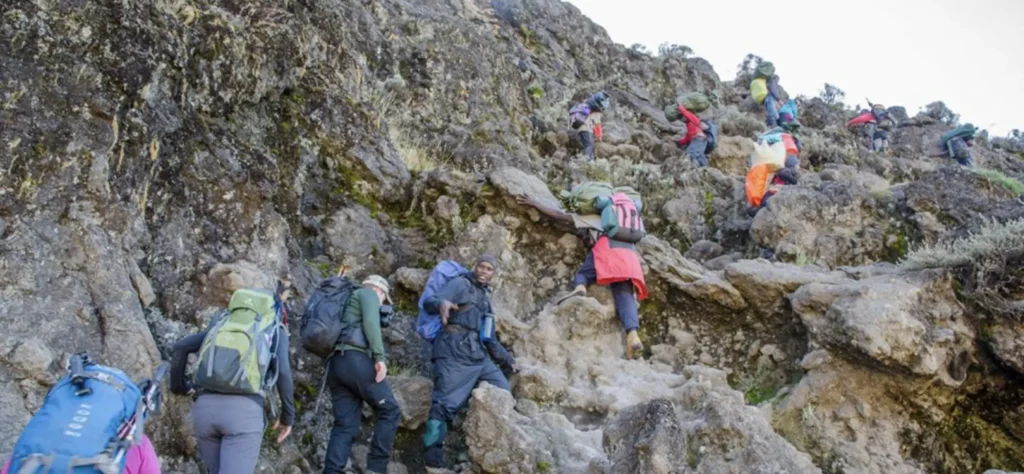
Domestic Tourism Safaris employs licensed, experienced mountain guides who prioritise your well-being every step of the way. They carry pulse oximeters and oxygen supplies and have clear evacuation protocols to handle any emergencies, ensuring peace of mind throughout the trek
Train Ahead and Pack for the Elements
Physical preparation is key—start training several weeks in advance, focusing on endurance and leg strength. Our packing guidelines help you bring the right gear: quality hiking boots, warm layers, rain protection, hydration packs, and a headlamp are essentials. A well-prepared trekker is a safer trekker.